
Introduction
Anecdote for you: we rolled into a hybrid meeting and half the paper badges were crumpled or missing—folks kept guessing names. The digital name plate came up quick as the fix, but people had questions. Reports say more than half of office teams now meet hybrid, and time lost to mix-ups adds up fast. So why are we still printing, reprinting, and hoping for the best when the Wi‑Fi drops (or when Bluetooth acts up)? What would it look like to make the “who’s who” dead simple and dependable?

I’m not here to oversell, I’m here to break it down. We’ve got BLE beacons, firmware updates, and power management in the mix. But real talk: do these tools make meetings smoother or just stack more steps? If “faster check-ins” is the only goal, we’ll miss the bigger play. Can we design name systems that are low-lift and high-trust? Cool—let’s step into the deeper layer next.
Where Traditional Badges Fail—and What e‑Ink Fixes Under the Hood
Why do old badges keep tripping us up?
Earlier in Part 1, we talked about setup basics and quick wins. Now we pivot, direct and technical, because it’s time to name the real pain. An e-ink meeting name tag does more than show text; it reduces friction that paper, RFID cards, or plastic holders never solved. Look, it’s simpler than you think. Old badges rely on manual printing, on-the-spot edits, and guesswork when guests change. That means errors, delays, and no audit trail. With e‑ink, you push names from a dashboard, and updates render on a glare-free screen without reprinting. Less mess, less stress—funny how that works, right?
Hidden issues show up in the details. Paper flows fail when the line gets long and the admin laptop freezes. RFID can be pricey and still give you no readable names at the table. Conventional tablets look bright but drain fast and pull focus. By contrast, e‑ink holds static info with near‑zero draw, so the battery lasts longer. BLE provisioning, OTA updates, and tight firmware keep the workflow light. You also reduce RF interference by using low‑duty cycles and smart wake intervals. Latency drops when the device mesh is tuned, and names refresh in seconds instead of minutes. It’s not magic; it’s proper system design with power converters, a low‑power microcontroller, and clean packet handling.
Comparative Lens: Principles That Make Next‑Gen Tags Worth It
What’s Next
Switching gears, let’s look forward—and compare what actually changes. The core principle is simple: an e-paper display paired with a low‑power microcontroller and efficient radios gives you legible text, long life, and calm screens that don’t compete with people talking. New units pair fast with QR or NFC, then join a secure mesh. Edge computing nodes handle batch name pushes, while gateways buffer updates if the WAN hiccups—wild, I know. Encryption like AES‑128 protects attendee data in transit, and OTA keeps firmware current without a scramble. The result is predictable refresh behavior, low latency, and a power budget that you can model instead of guess.
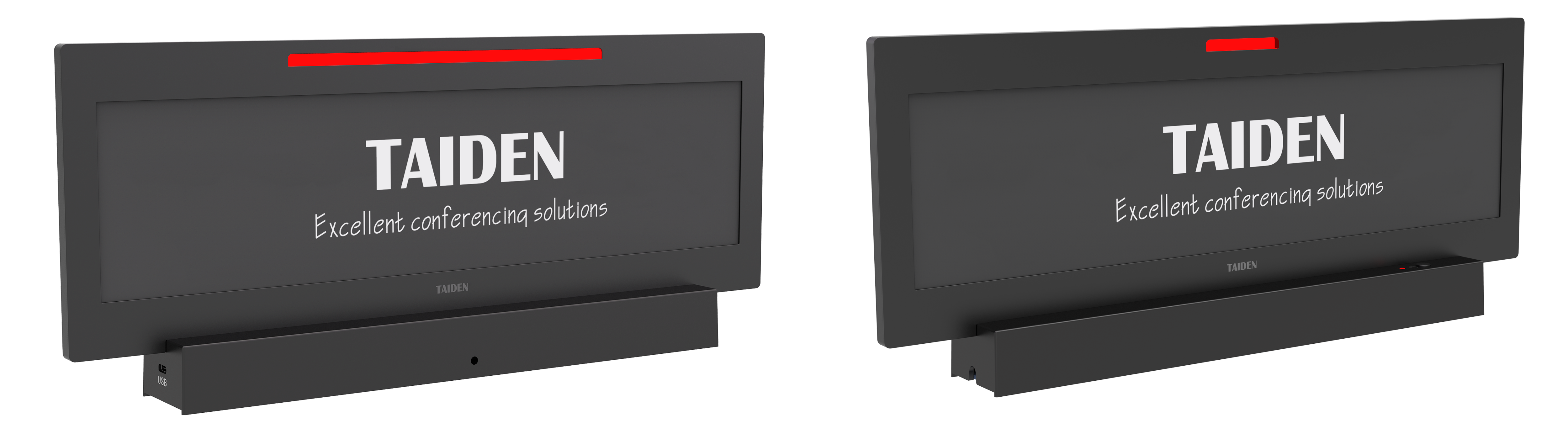
Real-world? A council chamber tested paper, tablets, and e‑ink side by side. Paper was cheap up front, but every agenda change meant a reprint sprint. Tablets were flexible, yet battery swaps and glare upset the flow. E‑ink sat in the middle and just worked. Names stayed crisp from the back row. Updates landed in under ten seconds. Batteries ran for weeks, not hours. Compared with legacy workflows, this cuts admin time, reduces RF noise, and improves accessibility—bigger fonts, better contrast, no harsh glow. Summing up our path so far: we moved from badge chaos to calm screens, trimmed manual steps, and kept networks sane. Now, if you’re choosing a path, measure three things: 1) refresh time under load; 2) battery life with real meeting duty cycles; 3) failure modes when the network is flaky (graceful fallback beats fancy features). That’s how you buy once and scale right—with clarity and receipts. TAIDEN