
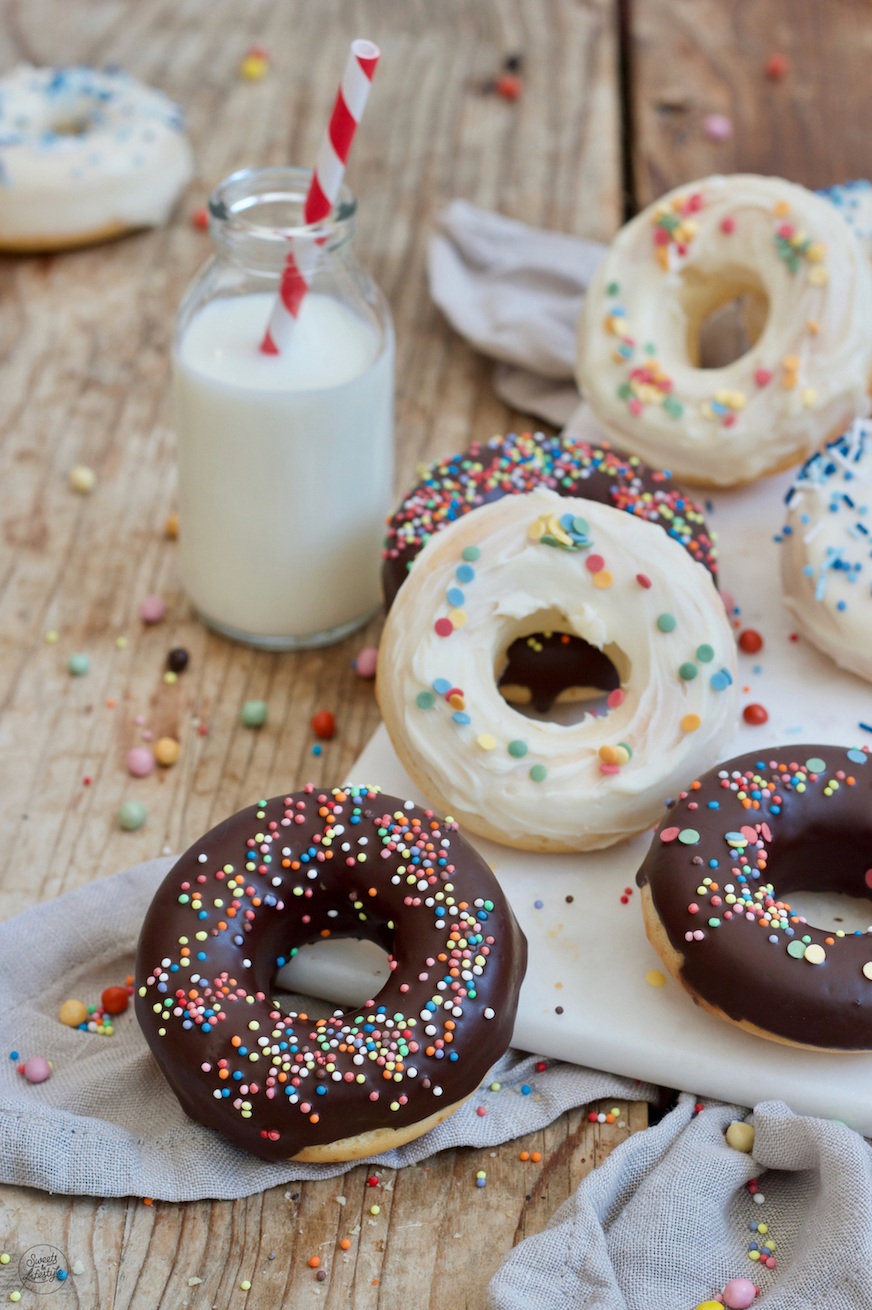
Donuts are among the most beloved treats in the world, celebrated for their irresistible combination of sweetness, texture, and nostalgic charm. While modern donut shops showcase an endless array of flavors, toppings, and designs, the history JURAGAN88 of this delightful pastry stretches back centuries and spans continents. The origins of the donut can be traced to early fried dough recipes found in various cultures — from Dutch “olykoeks” (oily cakes) brought to America in the 17th century to similar fried pastries enjoyed in Europe and Asia. These early versions were simple balls of dough fried in fat, often dense in the middle because the heat couldn’t reach the center. It was this problem that eventually led to the invention of the donut’s signature hole, forever changing the way we enjoy this treat.
The evolution of the donut as we know it today began in the mid-19th century, when a sailor named Hanson Gregory claimed to have invented the ring-shaped donut in 1847. Frustrated by the undercooked centers of traditional fried cakes, Gregory reportedly used a tin pepper box to punch out the middle before frying. This clever solution allowed the dough to cook evenly and quickly became popular across America. Donuts soon became a staple at bakeries and coffee shops, with early recipes featuring simple ingredients such as flour, sugar, milk, and eggs. During World War I, the “Donut Lassies” — volunteers from the Salvation Army — served donuts to American soldiers on the front lines in France, solidifying the pastry’s place as a comforting symbol of home and warmth.
By the early 20th century, donuts had transitioned from homemade delicacies to mass-produced favorites, thanks to the invention of the first automated donut machine in 1920 by Adolph Levitt, a Russian immigrant living in New York City. Levitt’s machine revolutionized donut production, allowing bakers to produce thousands of donuts per hour with consistent shape and texture. This innovation paved the way for the establishment of famous donut chains that would dominate the market in the coming decades. The sweet aroma of freshly fried donuts began filling city streets and coffee shops across America, transforming the donut from a regional treat into a national phenomenon.
As the decades progressed, donuts became embedded in American pop culture and daily life. The 1950s and 60s saw the rise of donut shops as social gathering spots, where families, workers, and students would enjoy fresh pastries with a hot cup of coffee. Major brands like Dunkin’ Donuts and Krispy Kreme expanded rapidly, offering standardized recipes that appealed to a wide audience. Donuts also found their way into television and film, becoming associated with police officers, morning commuters, and comfort food culture. This era cemented the donut’s reputation as an everyday indulgence — affordable, accessible, and universally loved.
In recent years, the humble donut has undergone a remarkable transformation, evolving into a gourmet dessert worthy of fine dining menus and Instagram feeds. Artisanal bakeries have redefined the classic pastry with high-quality ingredients, inventive flavors, and visually stunning designs. From maple-bacon bars and matcha-glazed rings to crème brûlée-filled creations, modern donuts reflect a fusion of culinary creativity and global influence. Some shops even experiment with vegan and gluten-free varieties, catering to changing dietary preferences while maintaining the essence of indulgence. This new wave of donut culture has elevated the treat from simple comfort food to a culinary art form, showcasing how far it has come since its fried dough beginnings.
Today, the donut’s enduring popularity lies in its ability to evolve while staying true to its roots. Whether you prefer a classic glazed ring or a trendy gourmet creation topped with edible gold, donuts continue to bring joy and sweetness to people of all ages. They represent more than just dessert; they are a symbol of tradition, innovation, and community. From street-side stands to high-end bakeries, the donut’s journey from humble fried dough to gourmet delight is a testament to how food can connect generations and cultures. As long as there are people craving something sweet, the story of the donut will continue to rise — golden, warm, and endlessly delicious.